Virtual planning
Put together your individual van racking system.
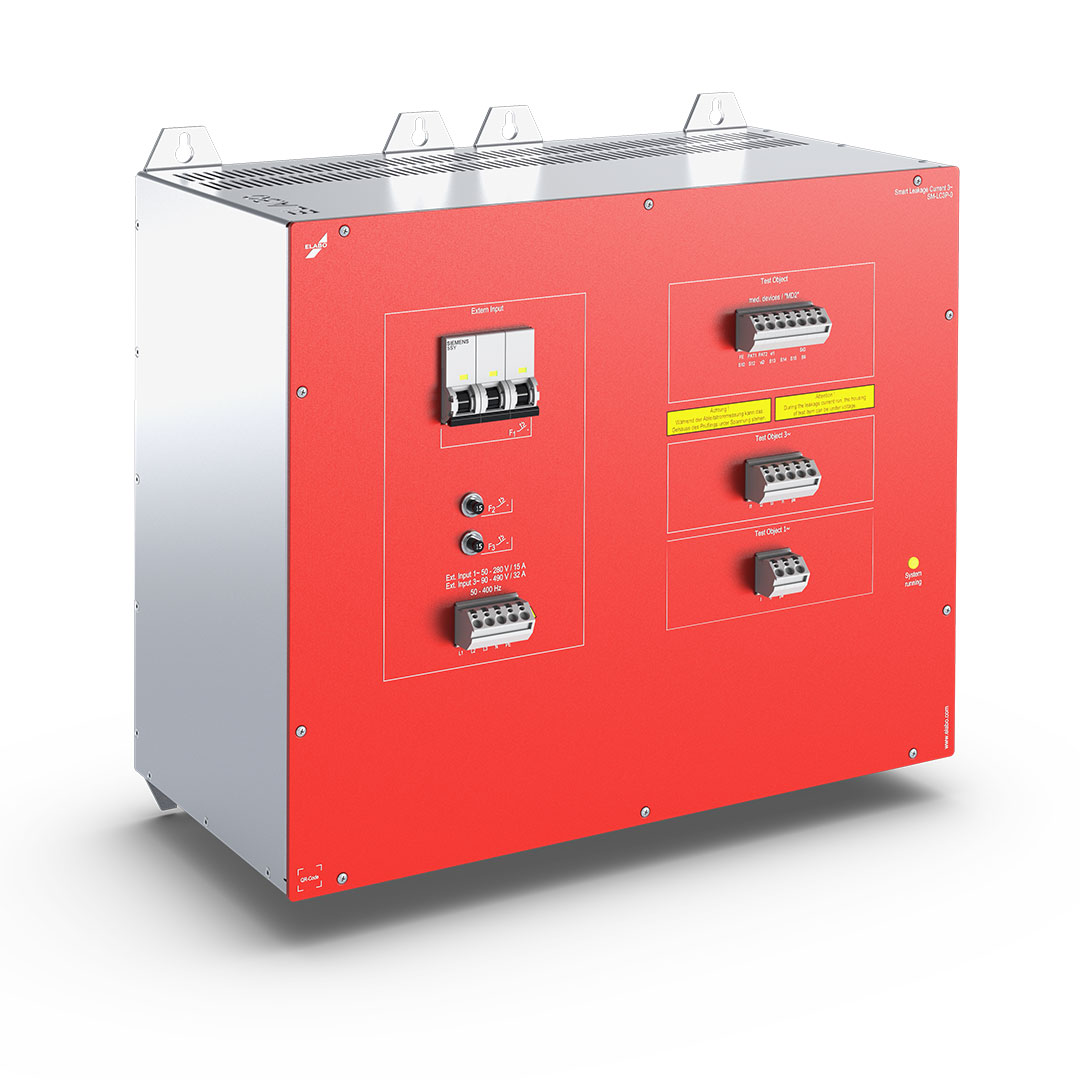
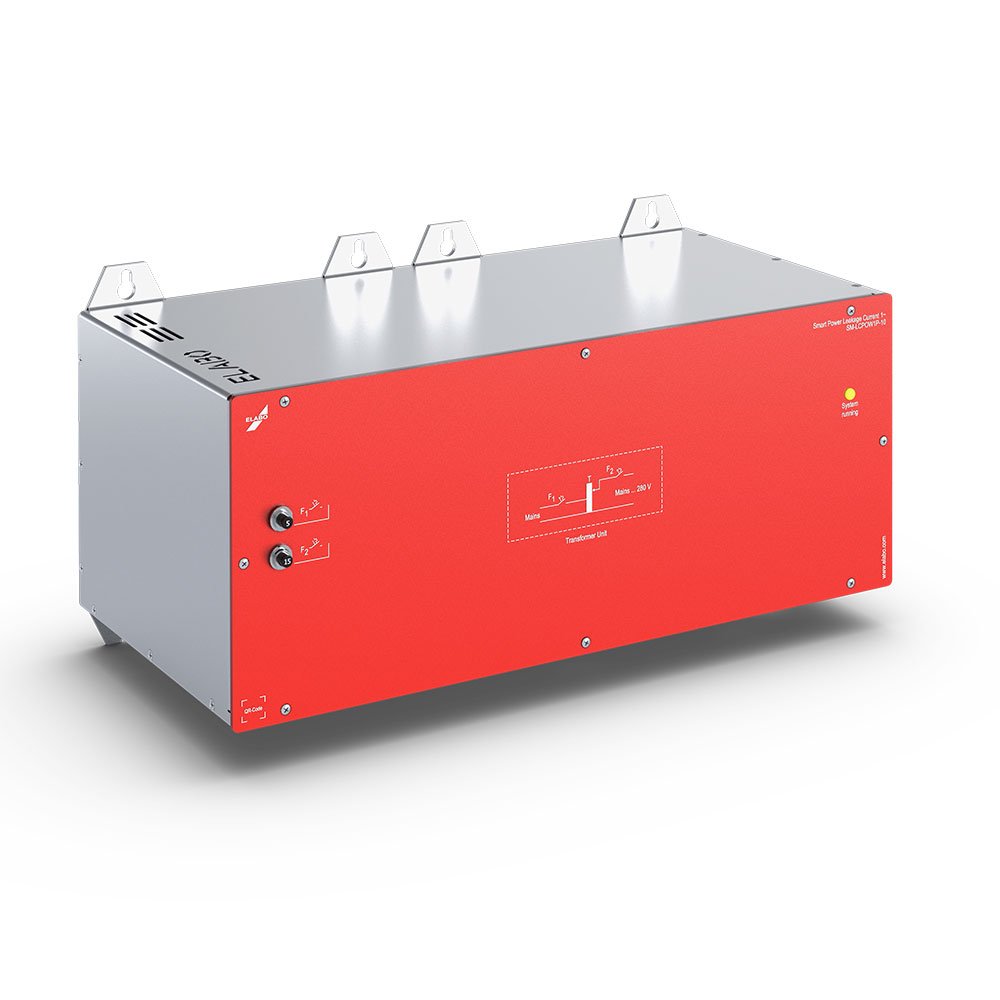
Insulation faults can cause leakage currents that can potentially endanger the operator or user of an electrical device.
The measurement of leakage currents is therefore an important safety aspect in the development and also in the final inspection of electrotechnical devices, particularly in the medical field.
Potential sources of danger can be identified and eliminated by using leakage current measuring devices. The safety of persons and compliance with applicable regulations can thus be ensured.
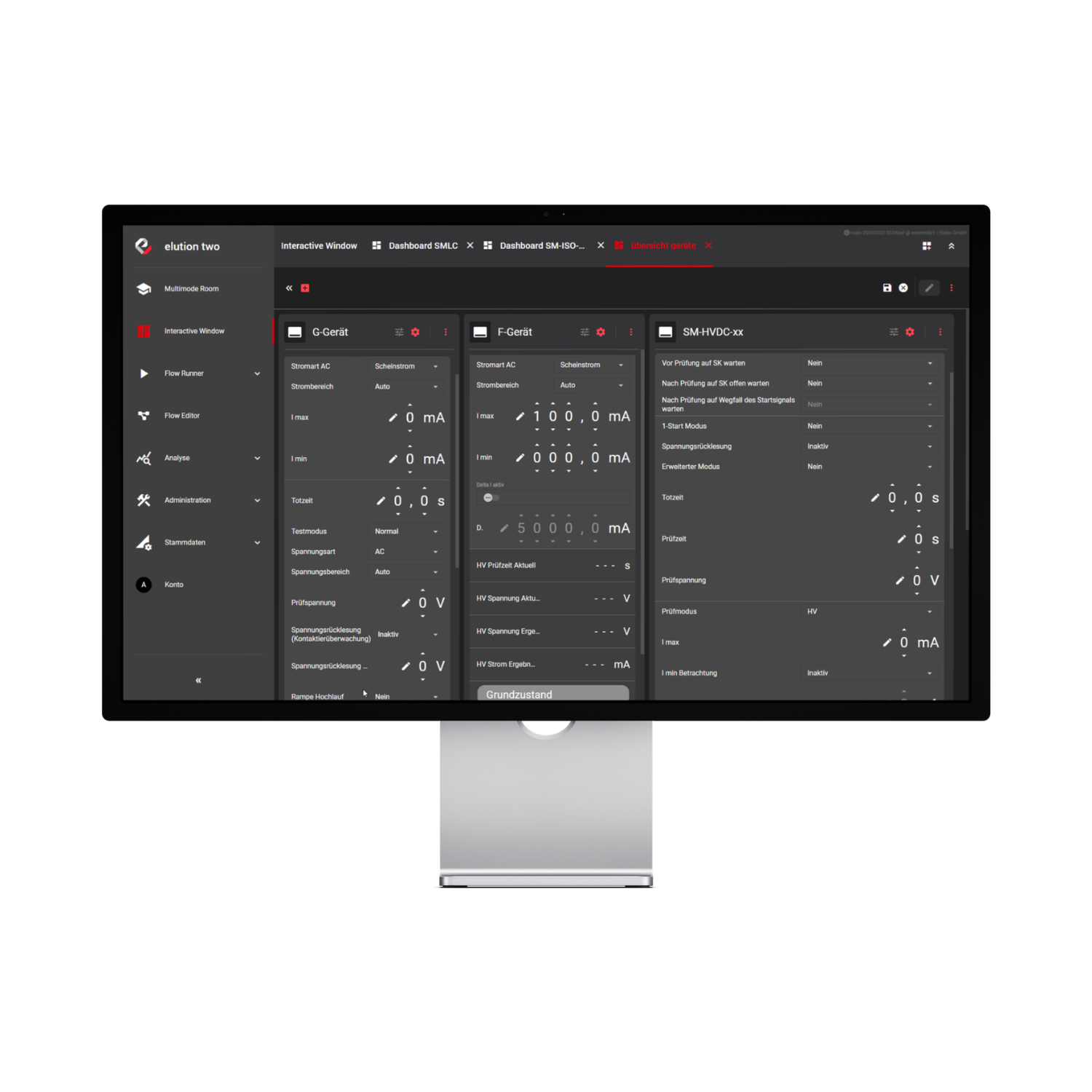
The leakage current testers in conjunction with the Elution software offer an enormous variety of measurement and connection options to analyze and evaluate all possible sources of error. Warm-up phases of the test specimens can also be taken into account.
Comprehensive logging via the Elution software also enables complete documentation of all target and actual values at a later date. In addition, a running good/error statistic enables a targeted error analysis and thus possible approaches for continuous quality improvement.
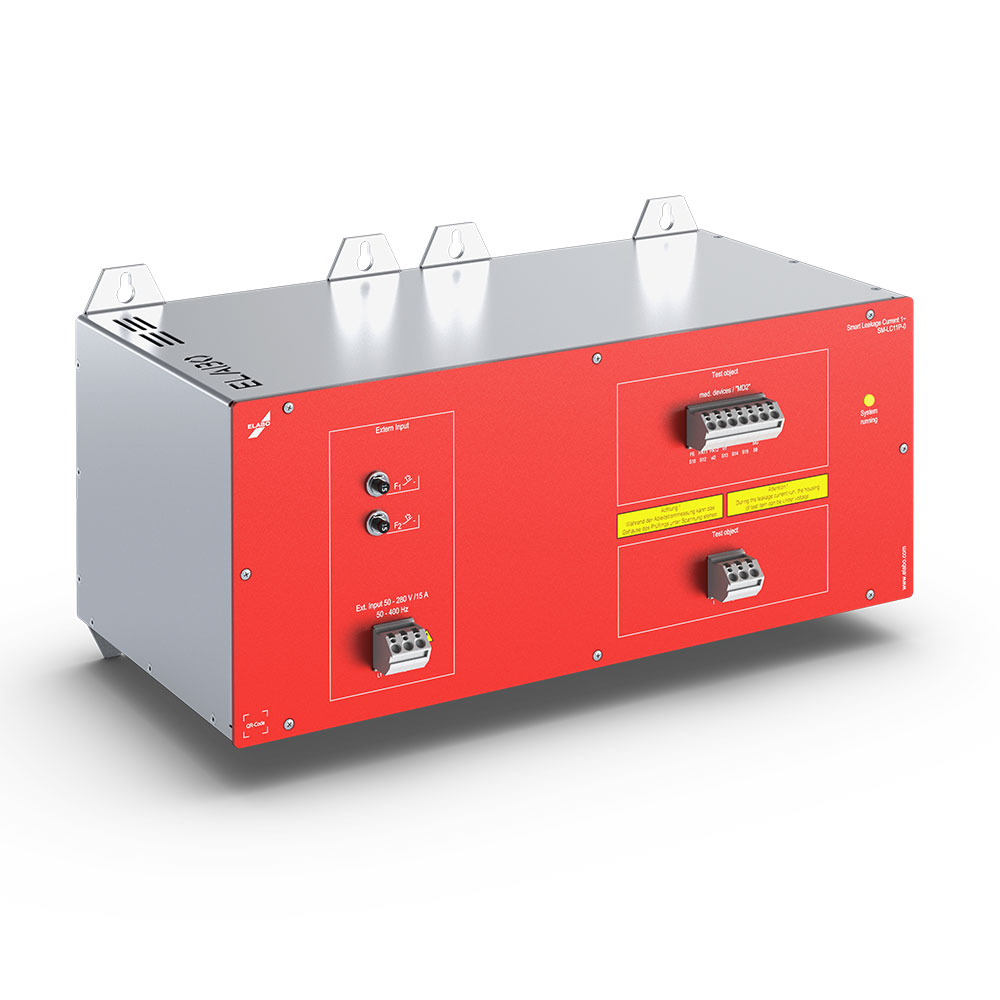
Insulation faults can cause leakage currents that can potentially endanger the operator or user of an electrical device.
The measurement of leakage currents is therefore an important safety aspect in the development and also in the final inspection of electrotechnical devices, particularly in the medical field.
Potential sources of danger can be identified and eliminated by using leakage current measuring devices. The safety of persons and compliance with applicable regulations can thus be ensured.
The leakage current testers in conjunction with the Elution software offer an enormous variety of measurement and connection options to analyze and evaluate all possible sources of error. Warm-up phases of the test specimens can also be taken into account.
Comprehensive logging via the Elution software also enables complete documentation of all target and actual values at a later date. In addition, a running good/error statistic enables a targeted error analysis and thus possible approaches for continuous quality improvement.
The leakage current test is used to determine the current that would flow through a person in the event of a fault (interruption of the protective conductor connection for devices in protection class SK I or insulation fault for devices in protection class SK II). During the test, the device under test is in normal operation and is operated with an increased voltage (factor 1.06-1.1). The test also simulates the reversal of the L and N connections (test type A1, A2) or the failure of phases in three-phase devices. The requirements for the test devices are regulated by various standards, whereby the standards place value on different effects of the electrical current. It is therefore necessary for the test devices to be able to determine the RMS value, the mean value, the peak value or the AC component of the leakage current, depending on the area of application. The required measuring bandwidth is 1 MHz. When measuring the leakage current itself, it is essential to ensure that the supply voltage is floating or that the device under test is isolated to prevent incorrect measurements. Due to the type of connection, voltage may be applied to touchable metal parts of the test object during the test, which is why suitable safety precautions must be taken during the test. The leakage current measurement is usually required as a type test and only occasionally as a routine test in the standards.
Leakage current measurement is required in some standards - especially for type testing - to complete the measurements on electrical devices and equipment of different protection classes.
Insulation faults can cause leakage currents that can endanger the operator. The test ensures that these currents are within the permissible range, both during normal operation and in the event of a fault.
This measurement is particularly important for medical devices used in operating theatres. The measurement also plays an important role when carrying out repeat tests.